
If you’ve ever wondered “Why can’t this be changed?” or “Who actually owns my domain?”, you’re not alone. Understanding these roles removes confusion and helps you resolve issues faster and with confidence.
This guide will clearly explain the three key roles involved in domain registration: the registry, registrar, and registrant, so you know exactly who manages your domain, who you work with, and what you control.
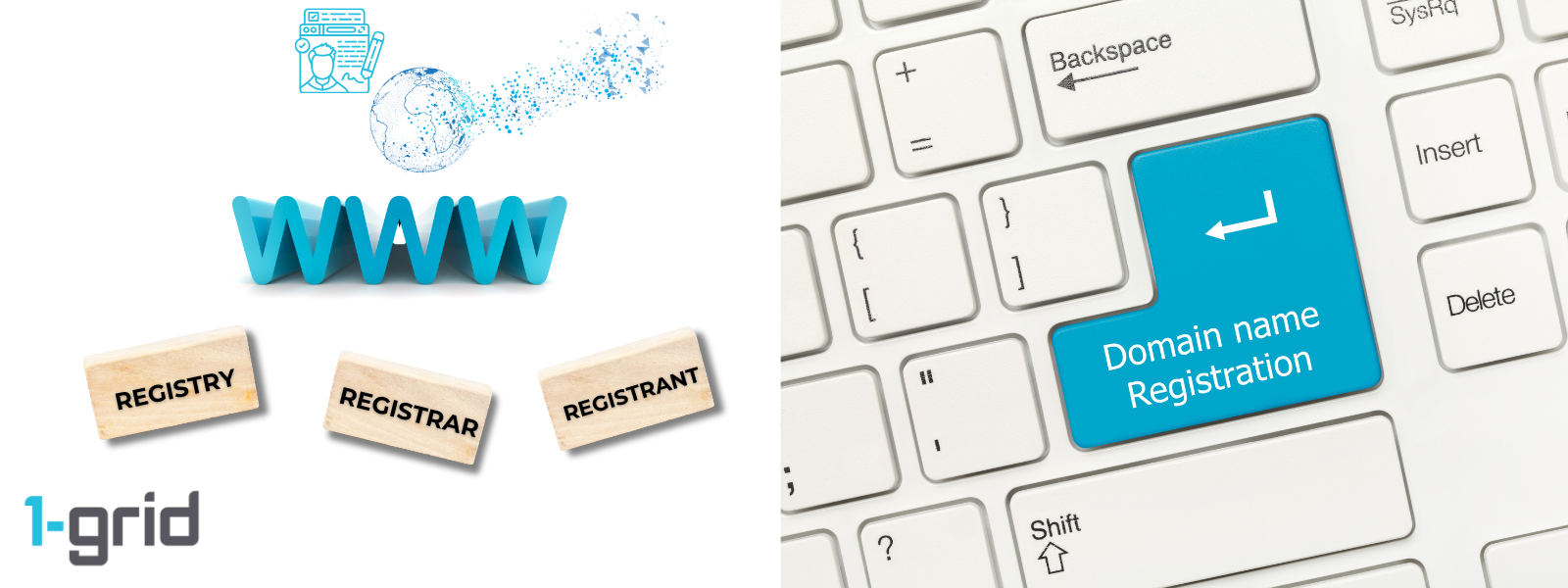
At a Glance
Know who to contact, what can be changed, and where responsibility sits.
Every registered domain involves three distinct roles:
| Role | What They Do |
| Registry | Manages the domain extension |
| Registrar | Sells and manages the domain |
| Registrant | Owns the right to use the domain |
What is a Domain Registry?
The registry sets the rules; they don’t sell domains to the public, such as ZARC.
A registry is the organisation responsible for managing a specific top-level domain (TLD), such as .com, .org, or .co.za.
What a Registry Does
- Maintains the master database of all domains under that extension
- Sets policies and rules for registrations, renewals, and transfers
- Publishes DNS zone files for the TLD
- Works only with accredited registrars
IMPORTANT: Customers cannot register domains directly with a registry.
What is a Domain Registrar?
Your registrar is your main point of contact for domain management.
A registrar is an ICANN-accredited provider authorised to sell domain names to the public and manage them on your behalf.
What a Registrar Does
- Registers domains with the registry
- Handles renewals, transfers, and ownership updates
- Provides access to DNS and contact settings
- Offers customer support and guidance
At 1-grid, we act as your registrar, managing communication with registries, so you don’t have to.
What is a Domain Registrant?
The registrant is the legal holder of the domain’s usage rights.
A registrant is the individual or business that registers and controls the domain for the duration of the registration period (usually 1 to 10 years).
Registrant Responsibilities
- Ensure contact details are accurate
- Renew the domain before expiry
IMPORTANT: Registering a domain gives you usage rights, not permanent ownership; it must be renewed to stay active.
How These Roles Work Together
When you register a domain:
- You become the registrant
- 1-grid acts as the registrar
- The registry records the domain under its TLD
Changes you request are:
- Submitted to your registrar
- Validated against registry rules
- Updated in the registry database
Who Oversees the Domain System? (ICANN)
ICANN ensures the internet stays organised and fair.
The Internet Corporation for Assigned Names and Numbers (ICANN) oversees the global domain name system.
ICANN’s Role
- Accredits registrars
- Coordinates registries
- Ensures domain names and IP addresses remain unique
- Enforces global DNS policies
Our Scope of Support
If you’re stuck and need any additional guidance or support, here’s an outline of what we can do and what is not within our Scope of Support.
What We Can Help With
- Domain registration and renewals
- DNS configuration guidance
- Contact detail updates
- Transfers and registrar changes
What We Are Unable to Assist With
- Registry-level policy decisions
- ICANN regulations
- Trademark or legal disputes
FAQs
Q. Who owns my domain name?
You do, as the registrant, for the duration of the registration.
Q. Can I change registrars?
Yes, domains can be transferred between registrars if eligibility rules are met.
Q. Why are some changes restricted?
Registries enforce mandatory policies to protect domain integrity.
Q. Is a domain the same as hosting?
No, a domain is your address; hosting is where your website lives.
Additional Resources
Everything You Need to Know About Domains at 1-grid
Need Additional Support?
We’re Here to Help:
Understanding what a Registry, Registrar and Registrant is doesn’t have to feel confusing with this easy-to-reference guide. Stuck? Contact our Support Team for clarity and guidance (https://1grid.co.za/contact-us/). We’re ready to see how we can help!