
SSL validation exists to protect you, your visitors, and the wider internet. It ensures that SSL certificates are only issued to legitimate domain owners and verified organisations, preventing fraud, impersonation, and phishing.
It can sound intimidating, especially when emails arrive asking you to “verify ownership,” upload files, or confirm business details. If you’ve ever worried that you’re doing something wrong, or feared delays might put your website at risk, our goal is to replace uncertainty with clarity, and stress with confidence.
This guide will explain SSL validation in clear, non-technical language, walk you through each validation type (DV, OV, EV) and what to expect, help you avoid common validation delays and frustrations, prepare you for upcoming SSL lifecycle changes, and show you exactly how 1-grid supports you throughout the process.
What is SSL Validation?
SSL validation is the process used by a Certificate Authority (CA) to confirm that:
- You control the domain requesting the certificate, and/or
- Your business is a legitimate, verifiable organisation
Only once validation is complete can an SSL/TLS certificate be issued and trusted by browsers.
This protects internet users from malicious websites that pretend to be someone they’re not and ensures your site earns browser trust the right way.
SSL Validation Levels Explained
Domain Validation (DV)
What it Validates:
Ownership or control of the domain name only.
How it Works:
The Certificate Authority confirms you control the domain using one of the following methods:
- Email verification (most common)
- DNS record validation
- HTTP/HTTPS file upload
Common approval email addresses include:
Why DV Exists:
It prevents someone else from securing an SSL certificate for a domain they don’t own.
TIP: DV is the fastest and simplest validation method and is often completed within minutes once actioned.
Alternative Domain Validation Methods
If email validation isn’t possible, there are secure alternatives:
File-Based Validation
You upload a small text file provided by the CA to your website’s root directory. The CA checks for this file to confirm control.
DNS (CNAME) Validation
Supported by providers like Sectigo, this method requires adding a unique CNAME record to your DNS.
TIP: DNS validation is ideal if you want a hands-off, repeatable method, especially with future reissues.
Organization Validation (OV)
What it Validates:
- Domain ownership
- Legal business registration
- Physical address
- Active telephone number
What to Expect:
- Domain validation (as above)
- Verification of your business against trusted third-party databases
- Possible confirmation call
Why OV Exists:
OV confirms that your website is operated by a real, legally registered organisation.
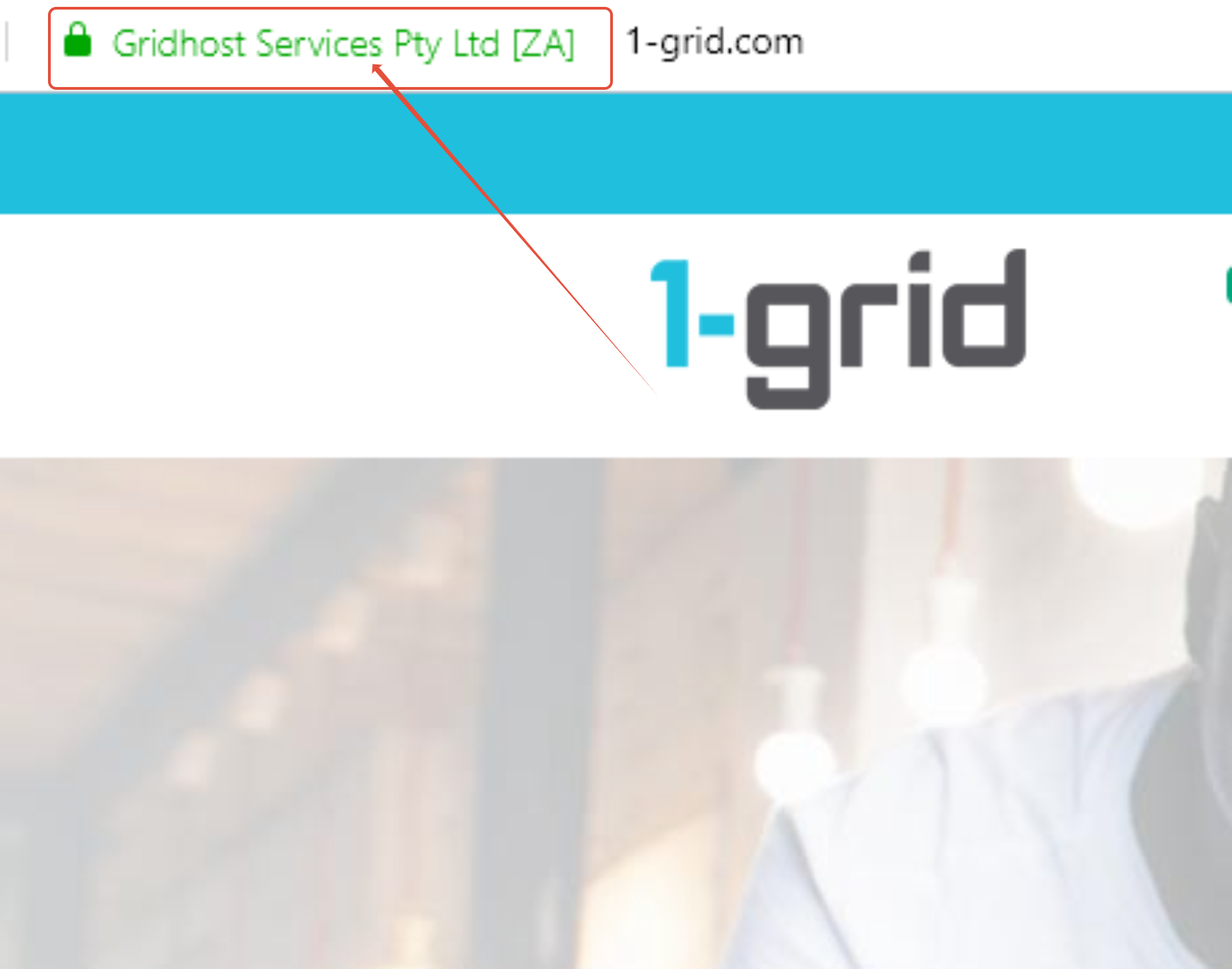
TIP: OV certificates visibly increase trust, especially for service-based and professional websites.
Extended Validation (EV)
What it Validates:
Everything in OV, plus additional, in-depth identity checks.
EV Certificates Require:
- Verified legal existence
- Confirmed operational presence
- Independent verification sources
- Final validation call
Why EV Exists:
EV SSL provides the highest level of trust available, helping users instantly recognise legitimate businesses.
Important Clarity:
Every EV certificate is an OV certificate, but not every OV certificate qualifies for EV.
IMPORTANT: While EV takes longer, it is intentionally rigorous.
How Browsers Trust SSL Certificates
Browsers trust your SSL certificate when they can confirm that it is:
- Valid for the domain being visited
- Within its active date range
- Not revoked
- Properly chained to a trusted root certificate
If any of these checks fail, visitors may see security warnings, even if the certificate exists, which may cause your customers to see your website as untrusted.
SSL Lifecycle Changes (What You Need to Know)
The SSL industry is moving toward shorter certificate lifespans to improve security.
What’s Changing
- As of 12 March 2026, new SSL certificates will be valid for ~199 days (about 6 months)
- Domain Control Validation (DCV) reuse is also shortening
- More frequent reissuance will be required
What This Means for You
- Your website remains secure, but action may be needed more often
- Validation steps may occur more frequently
- Planning ahead avoids last-minute stress
You can explore our Upcoming SSL/TLS Certificate Lifecycle Changes[NP1] guide for full details on the changes.
IMPORTANT: Certificates issued before enforcement dates remain valid until expiry.
Types of SSL/TLS Certificates We Offer at 1-grid
At 1-grid, we offer paid, professionally issued SSL certificates designed for long-term trust, browser recognition, and business credibility.
We do not offer Let’s Encrypt. Paid SSL certificates provide stronger trust signals, warranties, and guided support.
Certificates Available
- Domain Validation (DV) SSL
- Wildcard DV SSL
- Extended Validation (EV) SSL
Our certificates are issued through globally trusted authorities, including Thawte and Sectigo.
FAQs
Q. Why is my SSL taking so long to issue?
Most delays are caused by missed validation emails, incomplete business records, or pending phone verification.
Q. Do I need to revalidate every time?
Yes, especially with shorter certificate lifecycles. This improves security.
Q. Is validation optional?
No, validation is required for all publicly trusted SSL certificates.
Q. Can 1-grid validate on my behalf?
We guide and assist, but validation must be completed by you to protect your identity.
Additional Resources
Explore 1-grid’s SSL Product Page
All You Need to Know About SSLs at 1-grid
Installing SSL FAQs
SSL/TLS Certificates and Why These Matter
Why Doesn’t the Green Lock Show in the URL Bar?
SSL Certificates and Browser Recognition
The Importance of SSL
Untrusted SSL Certificates
Important SSL/TLS Lifecycle Changes and Why This Matters[NP2]
Need Additional Support?
We’re Here to Help:
Understanding SSL validation processes and how these impact your certificate doesn’t have to feel technical with this easy-to-reference guide. Stuck? Check out our Scope of Support, and then contact our Support Team for further clarity and guidance (https://1grid.co.za/contact-us/). We’re ready to see how we can help!